SURF network continues to innovate: intelligent, independent and flexible
SURF is building a new generation of the SURF network. We are doing this with a new network architecture and the further development of the network automation stack into an intelligent network. The network is based on open standards and procurement of network equipment goes through an intermediary.
With this further development of SURF’s network, we can respond more flexibly and faster to technological innovations and reduce dependence on suppliers. With the new network architecture and a smart, flexible replacement strategy, we are also working towards a more sustainable network.
Digital highway in the Netherlands
With the SURF network, Dutch education and research have their own autonomous network infrastructure. In line with our public values, we determine accessibility, freedom of choice and privacy on our network ourselves. Since 1988, based on these principles, we have been building this own digital highway, intended for independent and reliable research and knowledge sharing.
The SURF network has several features that allow students, teachers and researchers to collaborate safely, reliably and at lightning speed worldwide.This is due to the high continuity and reliability of the SURF network, which simply must always be available.The SURF network also has high bandwidth for moving large amounts of data. Low latency ensures minimal travel time between sending and receiving data within the network. Moreover, all network services are integrated with each other, and we are working to ensure proper integration with other SURF services.
Growth in network traffic
Ever since SURF was founded, Internet traffic has been growing by around 29% annually. For research projects, this percentage is sometimes even higher. This growth is one of the reasons why network technology continues to evolve so rapidly and why SURF’s network has to be renewed every 5 to 8 years. Equipment is ageing rapidly and the demand for capacity continues to grow rapidly.
New approach for the SURF network
In 2024, we started the project to set up a new generation of the network after SURFnet8.In previous generations of the SURF network, from SURFnet1 to SURFnet8, the architecture was strongly determined by the choice of a network equipment supplier. With the latest generation of the network, SURF aims to be a supplier of independent architecture. Based on open standards, new technologies can be applied where they are needed and the network can continue to develop indefinitely. Hence this new generation is not called SURFnet9, but SURFnet Infinity.
Workflow Orchestrator
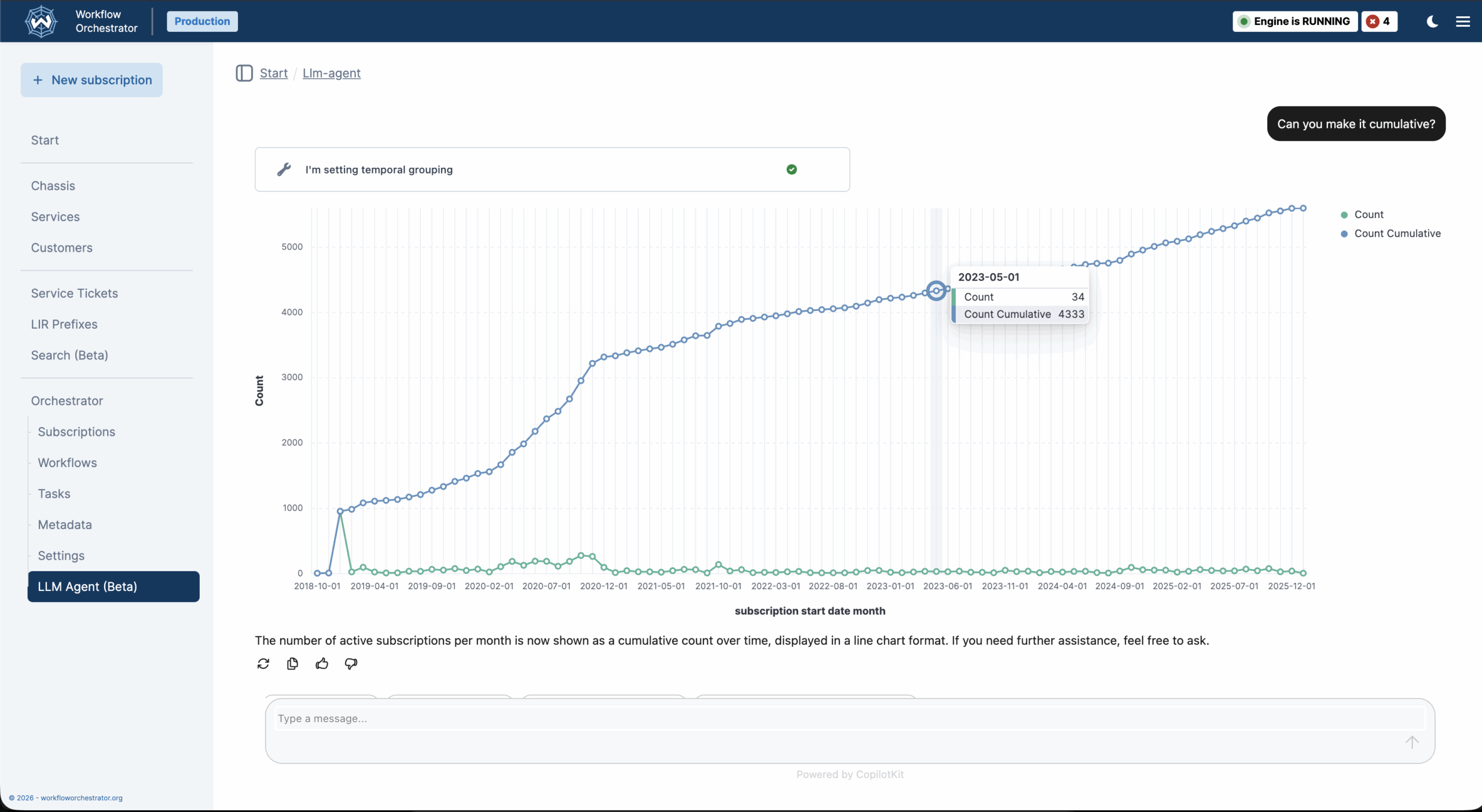
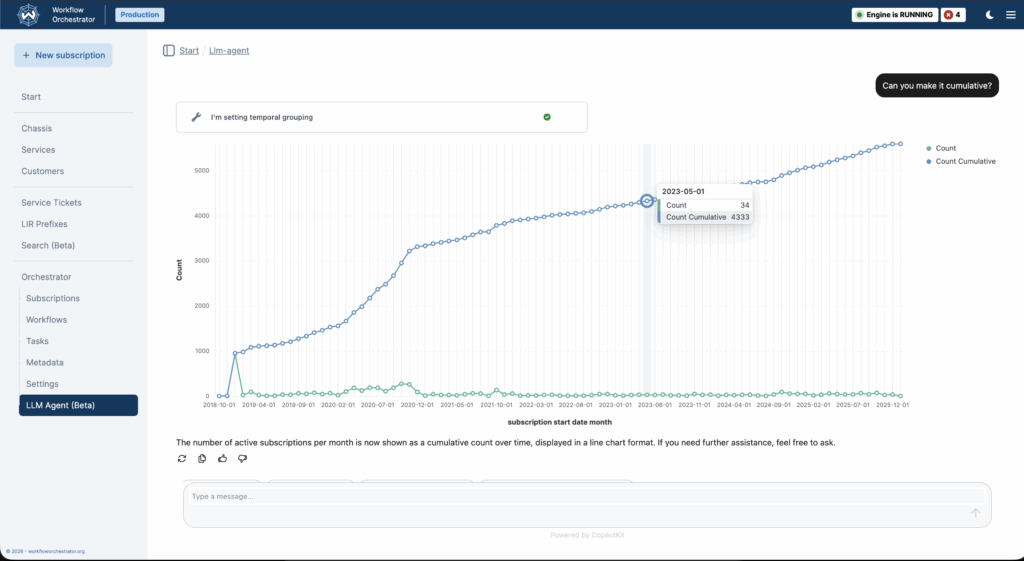
The first step for this new network architecture was already taken in 2018. With the Workflow Orchestrator developed by SURF based on open source software, various technology domains within the network can be centrally controlled. The Orchestrator ensures that tasks are performed in the right order and data is passed on correctly so that bottlenecks are prevented and reliability increases. This lays a solid foundation for the next step: further development towards an intelligent network in SURFnet Infinity.
Purchase of network equipment via intermediary
The purchase of network equipment is organised via an intermediary. In this way, SURF has greater freedom to make technology choices and can respond more flexibly and efficiently to the network needs of educational and research institutions when purchasing network equipment, without being tied to a single supplier.
New SURFnet Infinity network architecture
SURF’s new network architecture has established a clear hierarchy and separation of functions between the transport of network traffic, the provision of services to end users and connectivity to the Internet. This will facilitate capacity management, make the network more predictable, make it easier to detect and solve problems and provide more targeted security.It also moves a significant part of the network core from a commercial data centre to Nikhef’s data centre. The four core locations of SURF’s network are thus located within its own cooperative.
First equipment purchased
After an extensive selection process, SURF recently purchased the equipment to build the new core and border functionality. This directly realises the new architecture of the SURFnetwork.
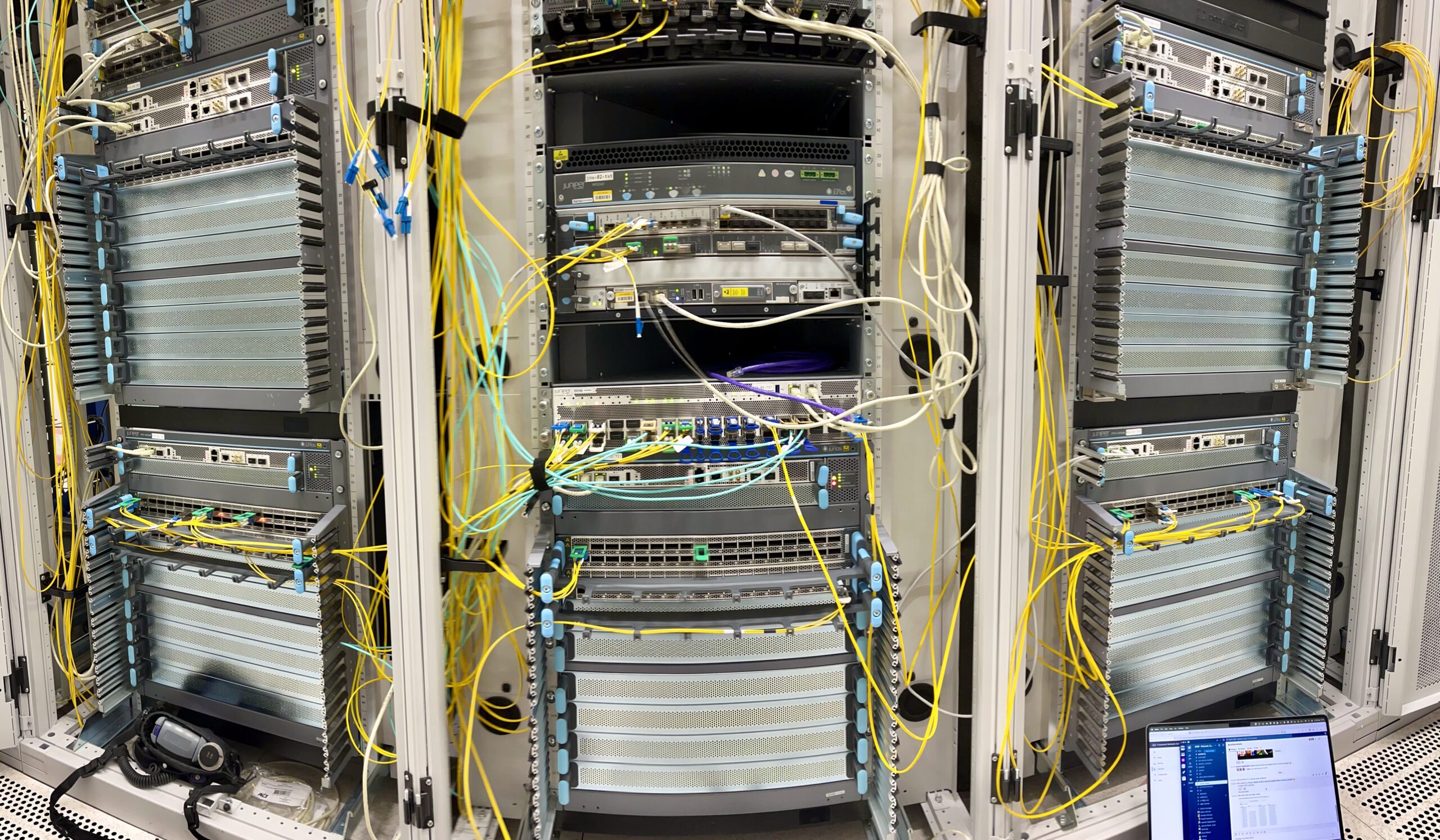
For the SURFnet Infinity network infrastructure, SURF has chosen the Juniper PTX series, which is even more powerful, compact and energy-efficient than the outdated MX series used by SURF. In addition, SURF is working with Salumanus as an independent supplier of transceivers based on OpenZR+ technology. This combination allows routers to connect directly to DWDM infrastructure, without the use of separate optical equipment. This not only reduces costs and energy consumption, but also increases network flexibility and future-proofing. Moreover, by choosing an independent supplier, the lifetime of the transceivers is not linked to that of the router hardware.
Start of further development of SURFnet Infinity
The further development of the SURF network starts with the renewal of the heart of our network: the core and border routers.Together with our management partner Quanza, we started preparations in the summer of 2025 .
At 55 locations throughout the Netherlands, we will replace SURFnet8 equipment with new equipment.Most of the institutions connected to the SURF network will not be affected. For the work, we will contact our contact persons directly.This migration will run until early 2027.
For international connections, in this phase we also replace the NetherLight equipment and optimise our Cross Border Fiber infrastructure. In the years after 2027, we plan to replace the optical equipment that facilitates high capacity between network components, as well as the access layer to which all institutions are connected.
Want to know more about SURFnet Infinity?
Follow this project on this page.
We also post regular project updates on the network dashboard.
Are you a network specialist?Then subscribe to the updates on the SURFnetwork Infinity project.