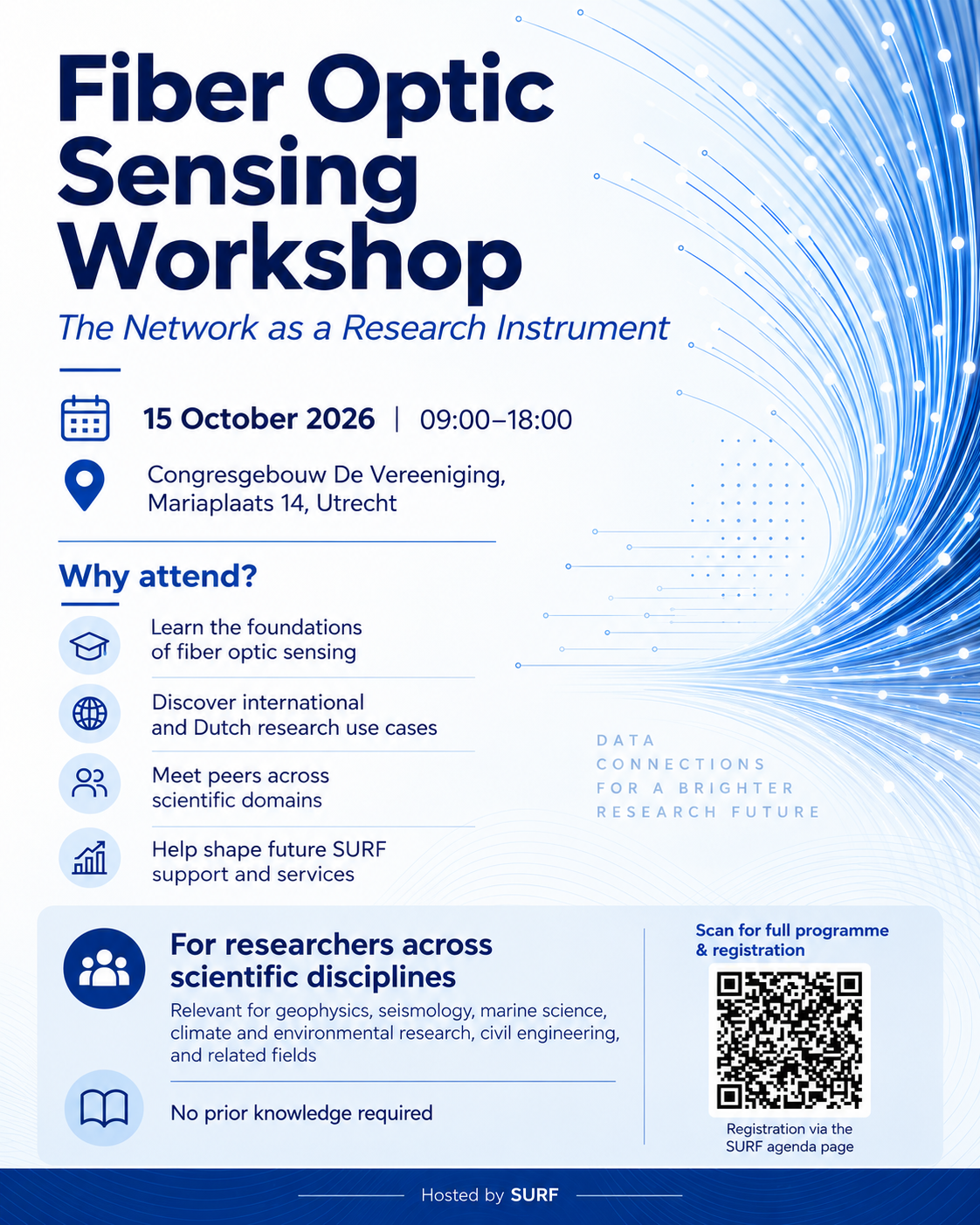
On Thursday 15 October, SURF is bringing together researchers from different scientific disciplines for a one-dayFiber Optic Sensing Workshop in Utrecht.
We are particularly keen to connect with researchers whose work could benefit from using existing fiber infrastructure as a distributed sensing instrument — for example in geophysics, seismology, marine science, environmental and climate research, civil engineering, and related fields.
The focus of the workshop is very much on the science and the research use cases. What can technologies such as Distributed Acoustic Sensing (DAS) make possible? What kinds of measurements, coverage and data could be valuable to different disciplines? And what would researchers need from fiber sensing infrastructure if we want to move from individual experiments towards more structural and scalable research capabilities?
The day will combine an introduction to the technology with international and Dutch research examples, ongoing projects, discussion across scientific domains, and short pitches from researchers who would like to explore or share a potential fiber sensing use case.
We will also have a live demonstration with a DAS unit and look at the wider research landscape around fiber sensing, including funding opportunities, consortia and collaboration, and how SURF’s data and compute infrastructure could support this type of research.
Previous experience with fiber sensing is not required. We are just as interested in researchers who are curious whether this could provide a useful new source of data for their work.
If this sounds relevant to your research — or to someone in your research network — please have a look and feel free to share.
Fiber Optic Sensing Workshop: The Network as a Research Instrument Date: 15 October 2026 Place: Utrecht, the Netherlands Language: English
To sign up, please use the registration tool under this link:
SURF and DFN, Germany’s national research and education network, are now sharing optical spectrum via fibre-optic infrastructure across national borders. For SURF’s member institutions, this means greater flexibility in international connectivity. This facilitates access to shared research facilities and the exchange of large volumes of data across borders.
By exchanging two sets of routes, SURF and DFN are strengthening cross-border connectivity between the Netherlands and Germany and making more efficient use of the infrastructure already available within the research and education community. In a broader sense, the agreement is a building block in a larger European and global ecosystem of research and education networks. Its strength lies in federated collaboration: bilateral, regional and pan-European initiatives reinforce one another.
Spectrum sharing: independence on shared routes
The collaboration between SURF and DFN is based on spectrum sharing. As each organisation is permitted to operate its own optical equipment on shared routes, this model combines the efficient use of existing physical infrastructure with operational independence. For NRENs such as SURF and DFN, this provides an important foundation for strong, flexible and future-proof connectivity across borders.
Connections remain available at all times
By sharing spectrum, the two NRENs make part of the optical spectrum on their fibre-optic routes available to each other, whilst each network retains control over its own optical network equipment. Under the agreement, SURF provides access to the Amsterdam–Hamburg and Amsterdam–Aachen routes, whilst DFN provides access to the Hamburg–Frankfurt and Frankfurt–Aachen routes. For SURF, the increased route diversity means that Frankfurt can serve as a backup location for internet connectivity, thereby strengthening the resilience of the SURF network. For DFN, Amsterdam also offers an advantage: it adds an extra location for international connectivity, thereby further enhancing the network’s flexibility.
A cross-border fibre-optic strategy
Ensuring and expanding access to European and global research infrastructure is a key part of SURF’s fibre-optic strategy, which extends beyond national borders. By working directly with neighbouring NRENs on shared routes and capacity, we strengthen our international network whilst retaining control over the infrastructure and equipment that are essential to our services.
Federal cooperation in Europe and beyond
The agreement complements connections with other national research and education networks, including partners in the Scandinavian countries via NORDUnet, and the pan-European GÉANT network. NRENs take responsibility for national infrastructures and communities, whilst collaborating across borders on shared capacity, interoperability, innovation and trust. GÉANT plays a key role as a pan-European connector and facilitator within this federation, linking European NRENs with one another and with research networks worldwide.
Cost-effectiveness
The collaboration also contributes to cost-efficiency. Rather than building or purchasing each international connection separately, SURF and DFN make better use of the infrastructure already in place within the research and education community. This ensures that the infrastructure remains in shared use and creates scope for innovation, experimentation and capacity expansion in the future.
A strong digital hub in Amsterdam
DFN has installed networking equipment at Nikhef, close to NetherLight, SURF’s Global Exchange Point for research and education. Together, this strengthens Amsterdam’s role as a digital hub, connecting Dutch research and education with European and international partners in the fields of science, education and innovation.
Are you interested in our international network?
Would you like to find out more about spectrum sharing, cross-border connectivity or SURF’s international network strategy? Please contact Karin Wessel: karin.wessel@surf.nl .
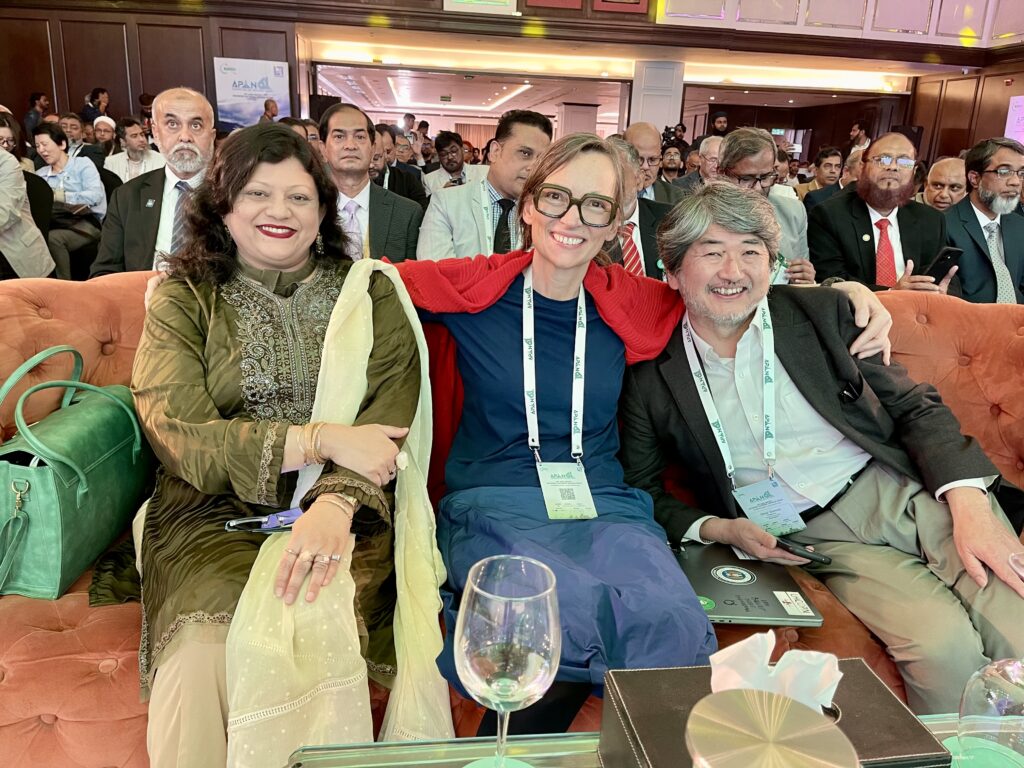
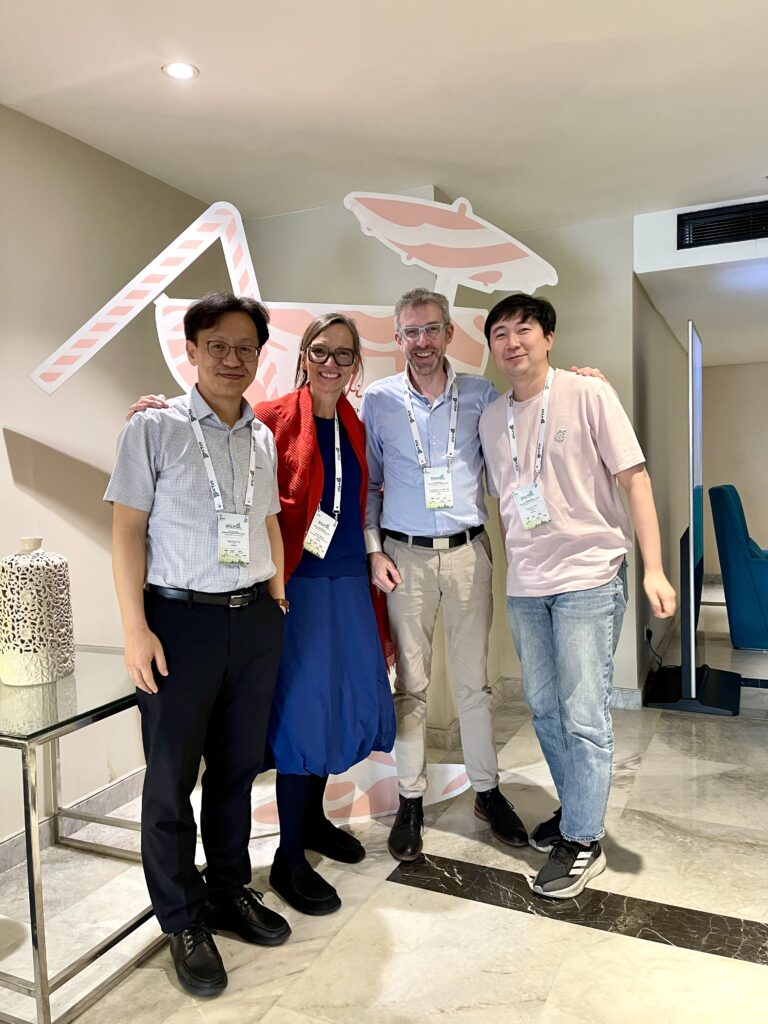
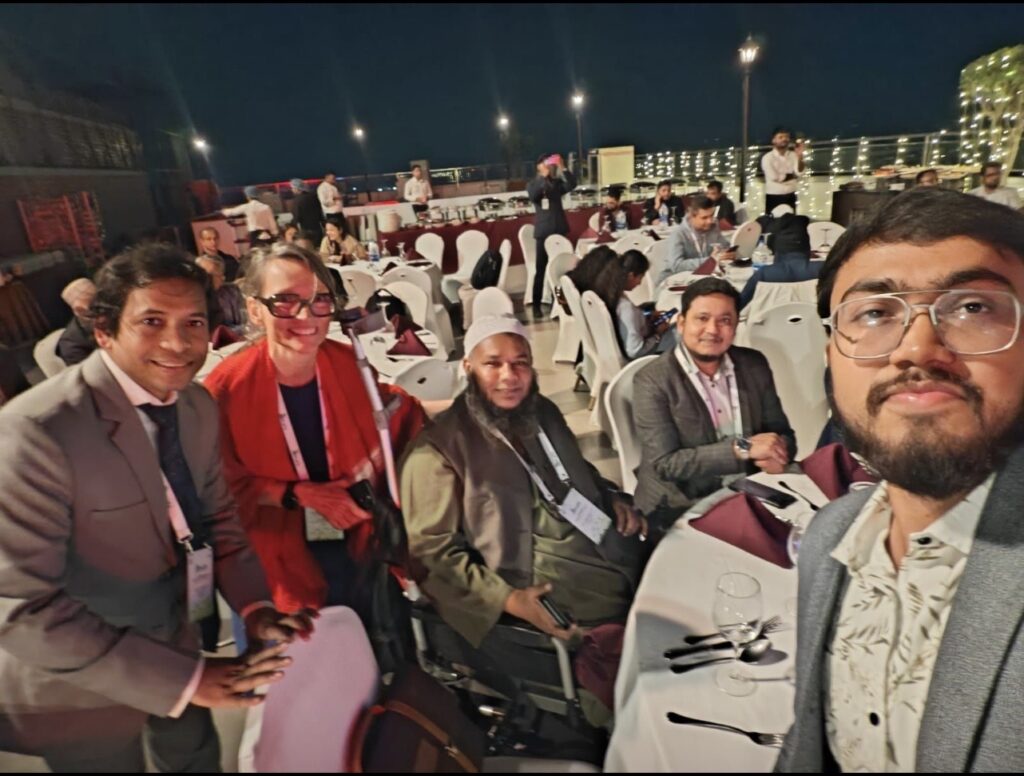
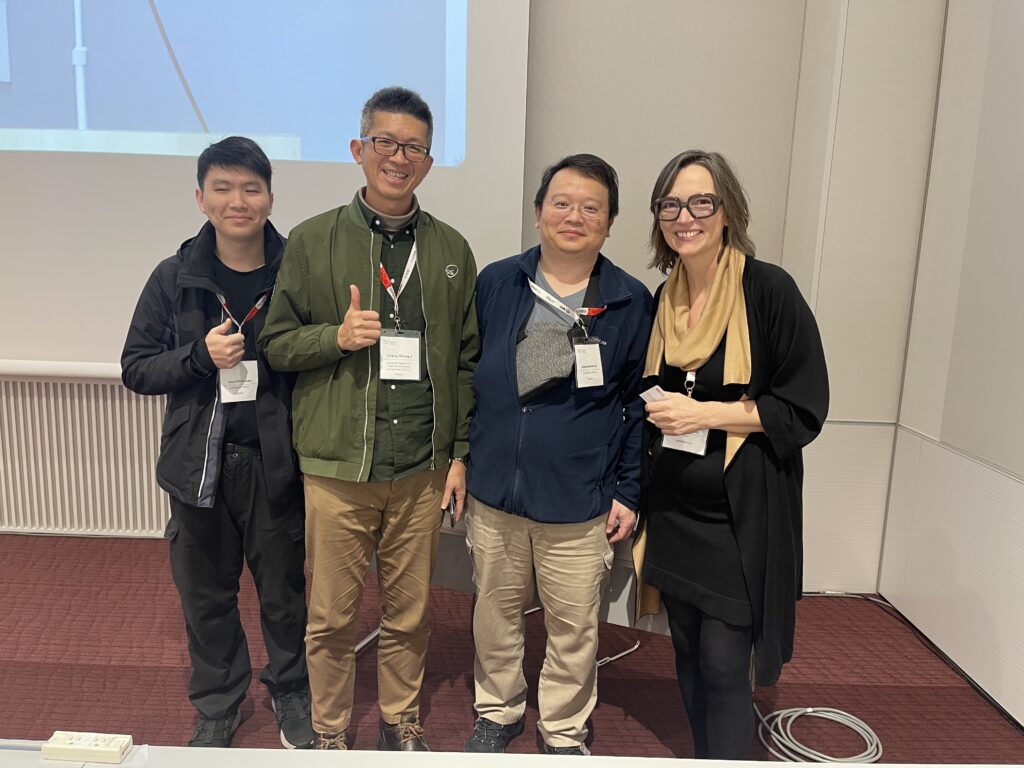
Last week, Alexander and I traveled to Dhaka, Bangladesh, for APAN61 (APAN stands for Asia-Pacific Advanced Network). These types of conferences are often viewed from a technical standards and backbone capacity perspective, but our time in Dhaka proved that the most critical infrastructure we build isn’t made of fiber—it’s made of people.
A Federated Foundation for Global Science
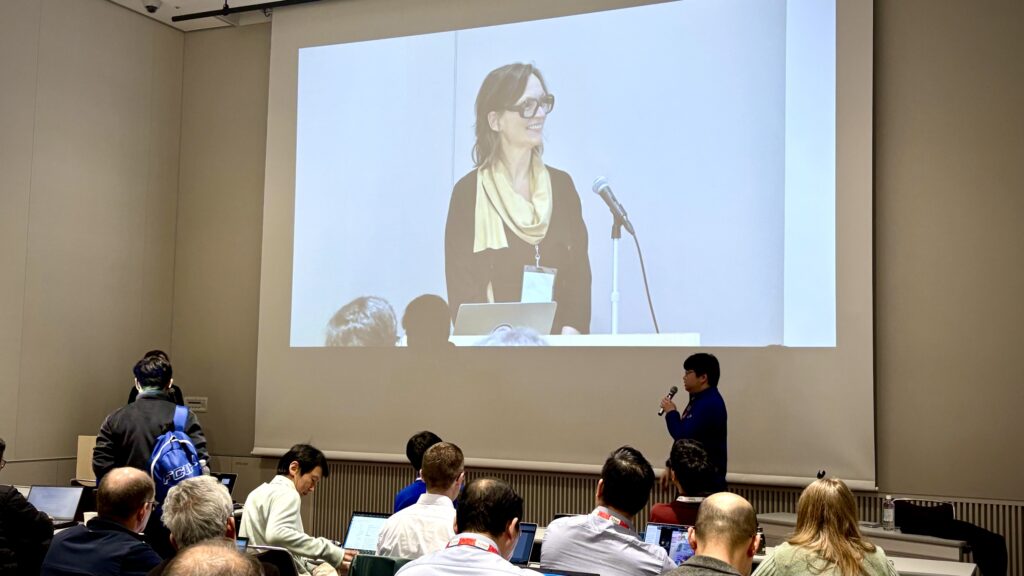
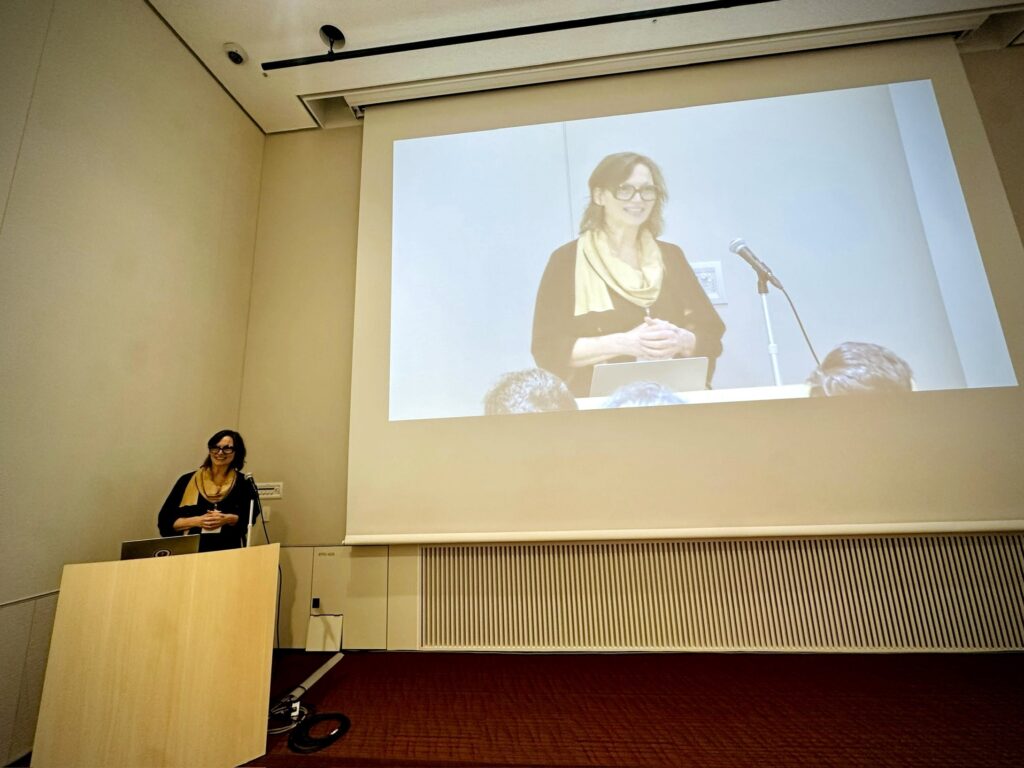
I was invited by APAN to deliver a keynote titled “Staying Connected: A Federated, Open Foundation for Global Research & Education Collaboration.” Giving a keynote was exciting for me – in a good way – and a personal milestone. But the real value lay in the message: how we, as a global community, can ensure that research and education aren’t siloed by geography, geopolitics, or other obstacles. For that purpose, addressing both the why and the how of the need for a federated global infrastructure. And it was a reminder that our work within NRENs (both at SURF and abroad) feeds into a much larger, global engine of collaboration and progress for Science & Education.
Besides the keynote, I also gave an additional presentation representing SURF in a Special Interest Group (SIG) on Science Engagement. At SURF, we often talk about science engagement and how to improve our efforts in that respect but seeing it in practice and discussing with other NRENs how they do it during APAN was very stimulating and useful.
Specific Takeaways from the Field
Beyond the podium, four specific observations stood out to me:
Infrastructure in Practice: The Bangladesh Research & Education Network (BdREN) has successfully implemented eduroam in all national airports. Coming from the Netherlands, seeing this level of user-focused service in action was impressive. It’s a standard of accessibility we should all be aiming for. Schiphol & Nationale Spoorwegen, bring it on!
High-Level Science Engagement: I spent time with researchers in oncology and molecular biology. The sophistication of their work is a clear signal: they are driving serious scientific inquiry that requires the kind of international research network connectivity we provide.
Logistical Excellence: Organizing a conference of this scale in a city as complex as Dhaka—a metropolis of over 25 million people—is a massive undertaking. To put it in perspective: the population density there is nearly ten times that of Amsterdam. Moving dozens of international guests through that kind of environment requires serious planning. The hospitality and flawless execution by the BdREN team really showcased the professionalism and dedication of our partner NRENs in the region.
The “8th Layer” of the OSI Model: Some of you know that when it comes to networking, I’m a Layer 0-3 kinda girl—they don’t call me the “Dark Fiber Lady” for nothing —but this week was all about the human 8th layer. Whether it was reconnecting with old friends & partners, establishing new partnerships & perspectives on future collaboration, or learning about local history like the Shaheed Minar, these face-to-face meetings are what make the global R&E collaboration possible.
Looking Ahead
Collaborating with the Asia-Pacific region isn’t just a “nice-to-have” for SURF; it is essential for a functional and resilient global research ecosystem. We’re bringing back more than just notes—we’re bringing back renewed partnerships, connectivity to enable global research opportunities for our SURF members, and a fresh perspective on what it means to be a partner in this international community.
A special thanks to Mohammad Tawrit and the entire BdREN team for their hospitality and for showing us the future of R&E in Asia.
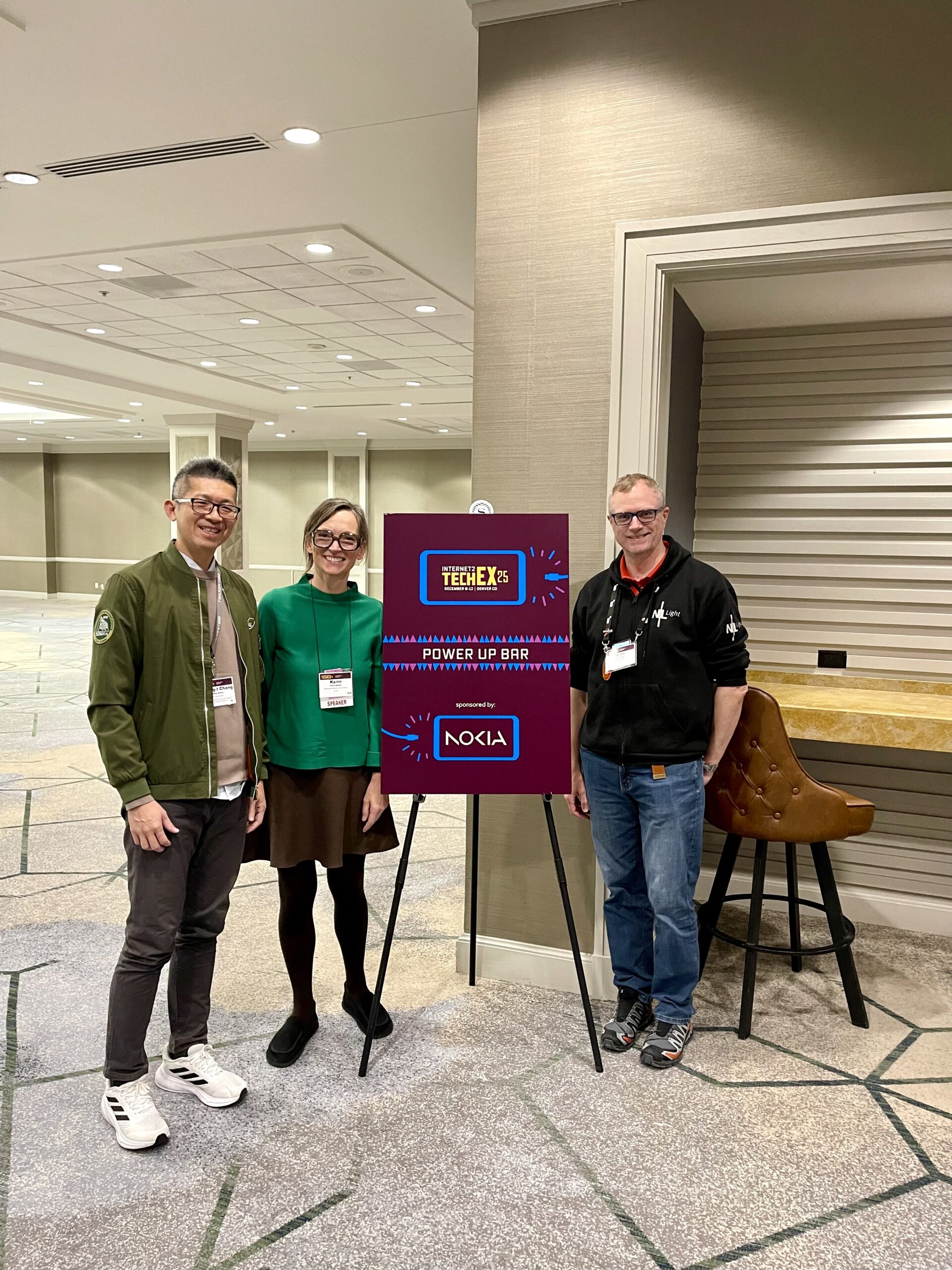
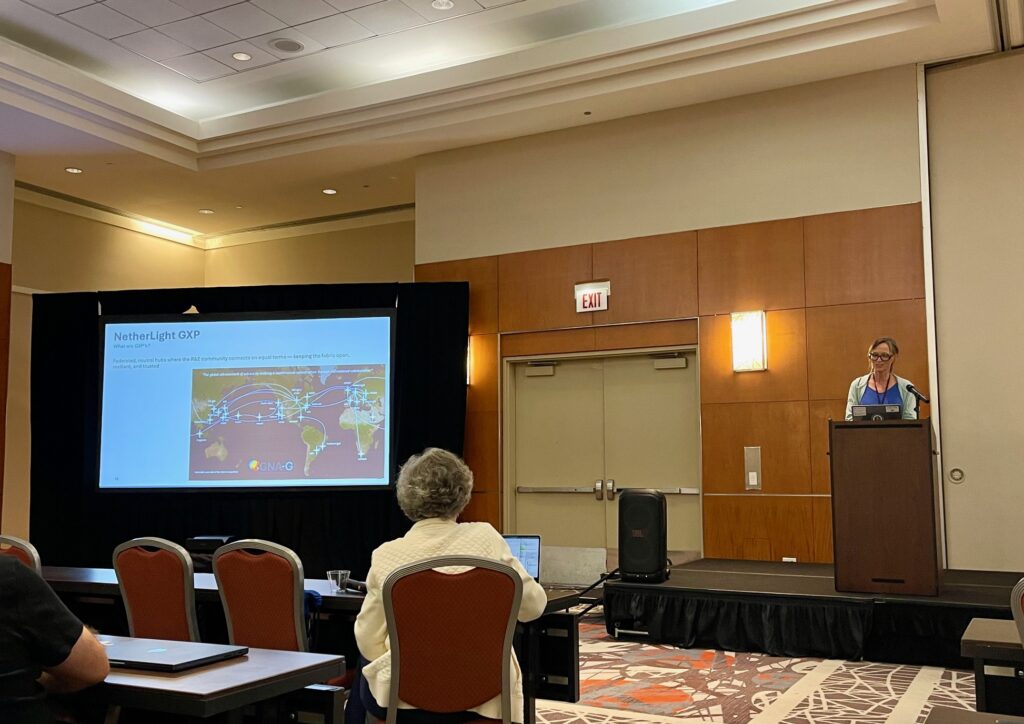
At Internet2 TechEx 2025, global developments in research and education (R&E) network infrastructure were high on the agenda. In a well-attended update, Brenna Meade (International Networks, Indiana University) shared an overview of key steps being taken worldwide to scale capacity, resilience, and automation in federated network services.
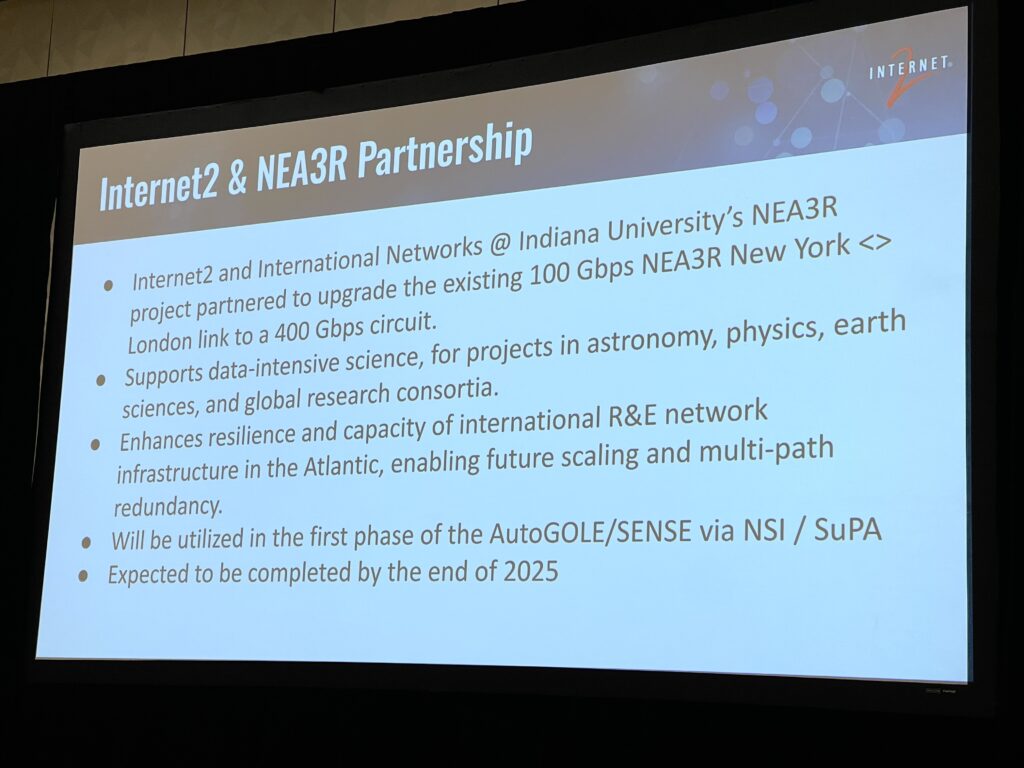
Major capacity upgrades, including transoceanic links
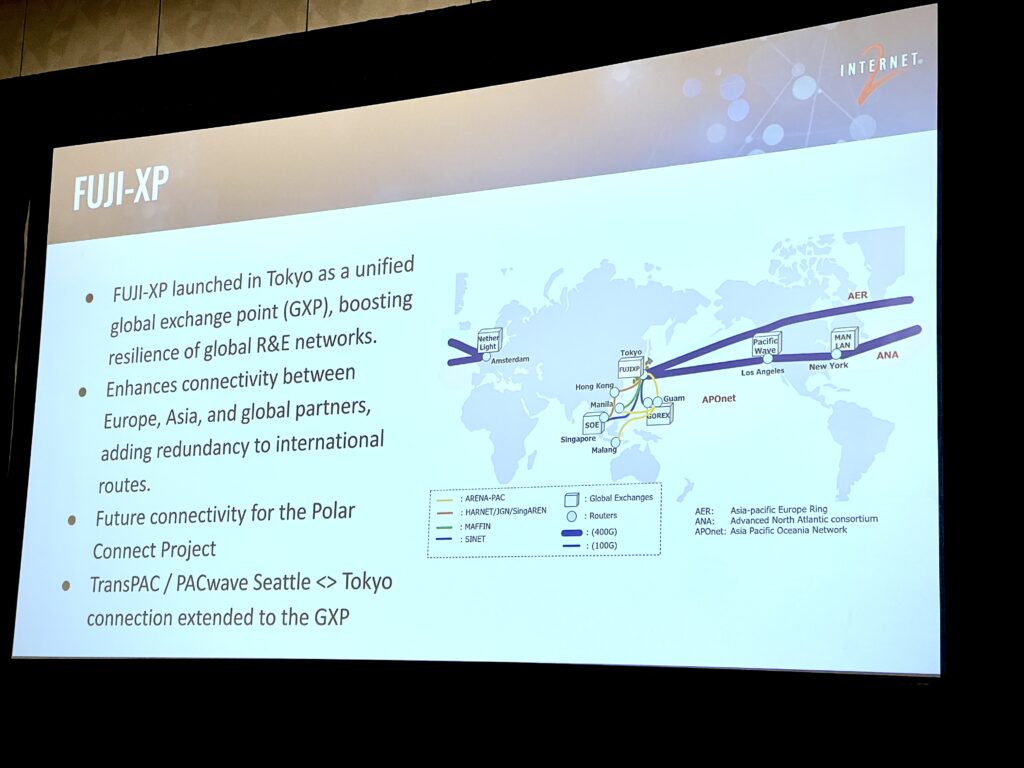
Meade outlined a broad range of ongoing and planned upgrades across international backbone and exchange infrastructures. This included new 400 Gbps transoceanic links—critical for data-intensive research and collaboration across continents. She also highlighted activity and continued evolution across multiple Global Exchange Points (GXPs), including FUJI-XP, SOE, GOREX, MANLAN, MOXY, NetherLight, and Pacific Wave. Together, these hubs form an important foundation for high-performance global connectivity between R&E networks.
NSI reaches production readiness
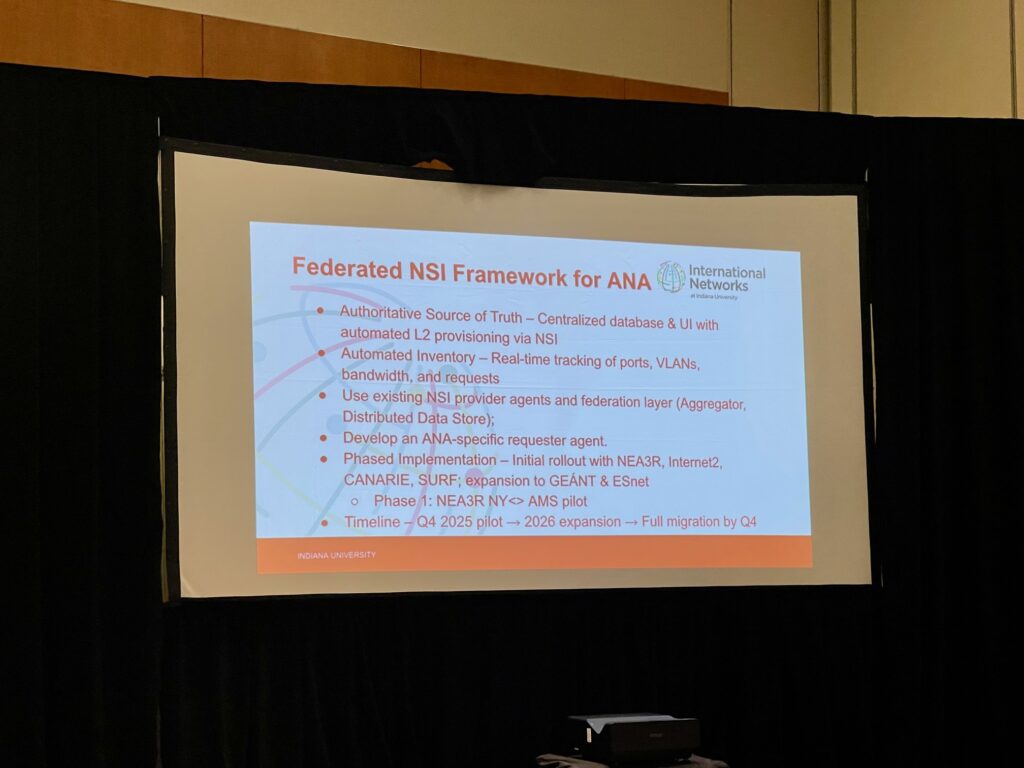
A key milestone highlighted in the session: NSI (Network Service Interface) has reached production readiness. NSI enables interoperable, automated service provisioning across network domains. In practice, this supports standardized ways for organizations and networks to request, set up, and manage end-to-end services across multiple administrative boundaries.
For NRENs, this aligns closely with the push toward scalable, federated connectivity: less manual coordination, faster delivery of services, and more reusable interfaces and operational agreements between domains. Reaching production readiness is therefore a concrete step toward more automated and dependable international network service ecosystems.
Technology—and the community behind it
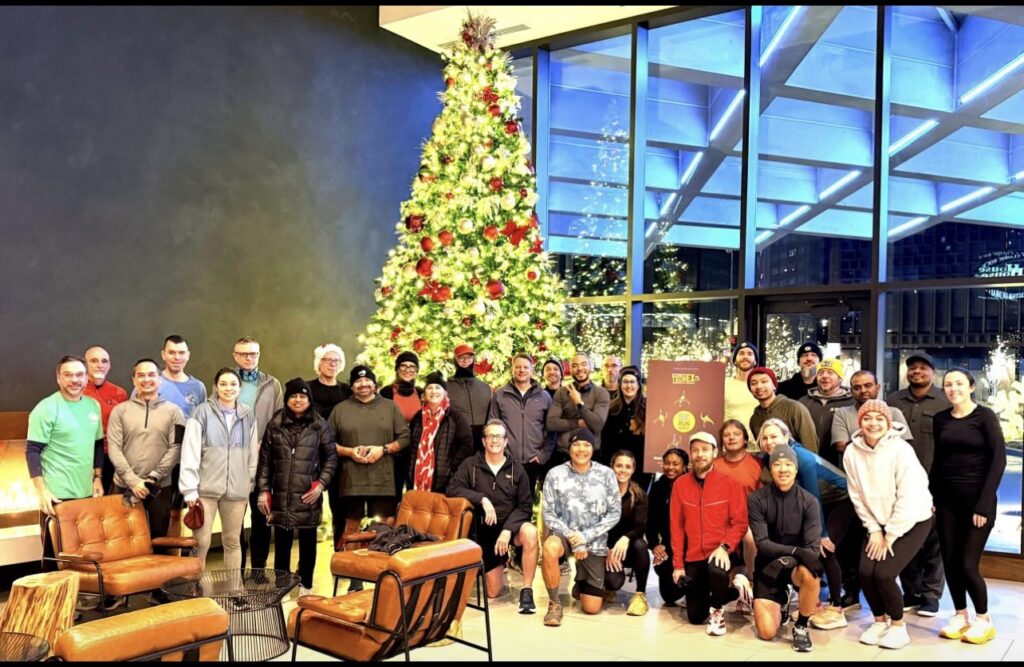
Beyond the technical program, TechEx continues to stand out as a strong community meeting point. Informal conversations between sessions, sharing experiences across very different operating contexts, and social traditions such as the 5K fun run all reinforce the trust and relationships that are essential to building and operating resilient infrastructure.
In summary: TechEx 2025 underscored how global R&E networks are moving forward on both capacity and automation—with NSI marking a notable step toward interoperable, federated service delivery.
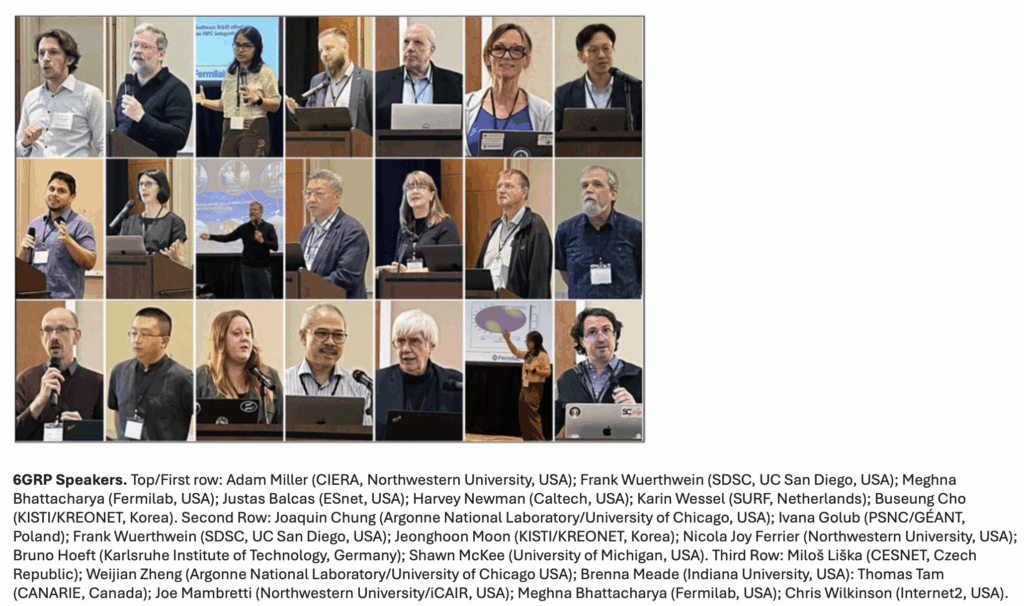
Chicago, September – At the 6th Global Research Platform (GRP), SURF joined peers from around the world to share progress, exchange insights, and strengthen collaboration in global research networking.
In my presentation, I highlighted SURF’s next steps:
Updates on SURFnet Infinity and NetherLight
Terabit trials with CERN and the LUMI supercomputer
Explorations in quantum-secure networking and fiber sensing
A recurring theme at GRP was the importance of the federated approach: each NREN serves its own members, but together we form a global infrastructure that supports research at scale. This balance of local autonomy and international collaboration is vital to the community’s success.
Many thanks to Joe Mambretti, Maxine Brown, and the GRP community for fostering an open, collaborative environment. SURF looks forward to continuing this work and helping shape the future of international research & education networking.
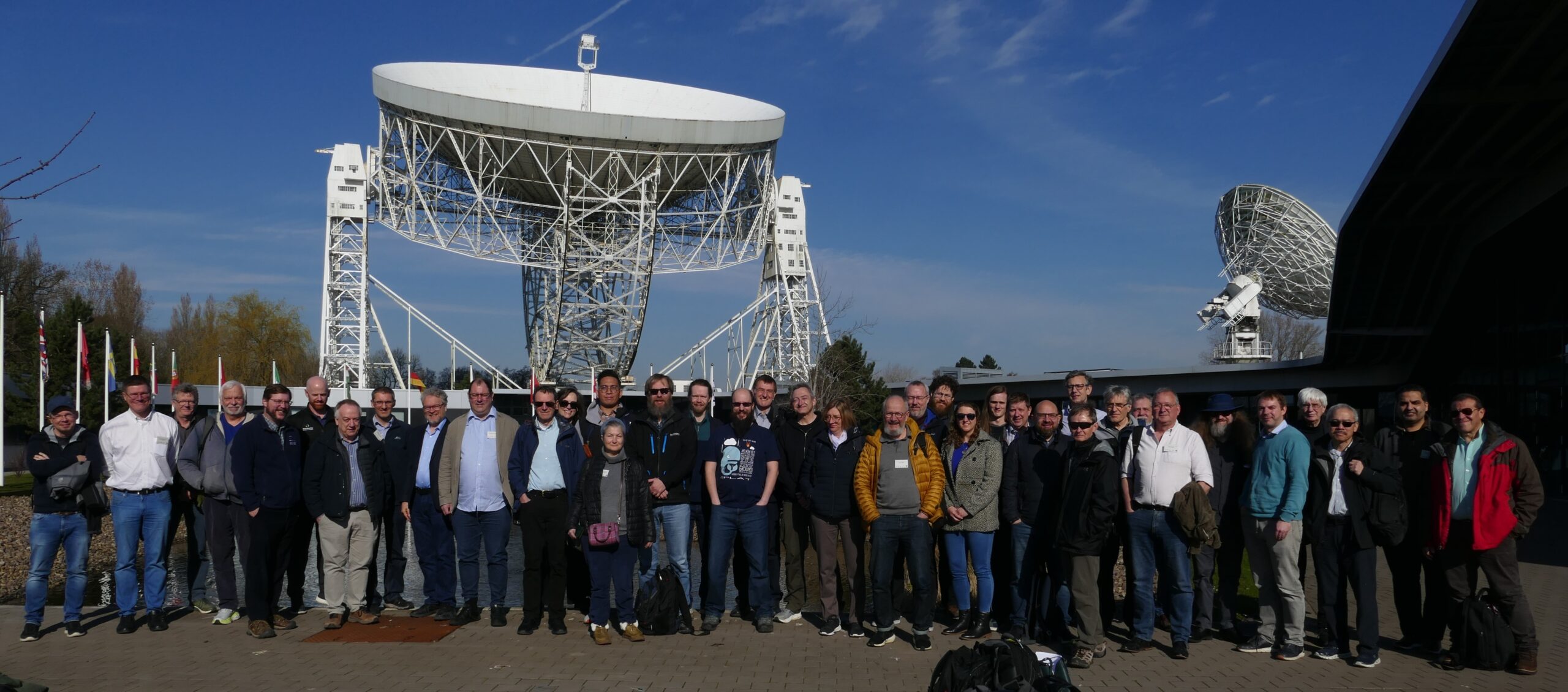
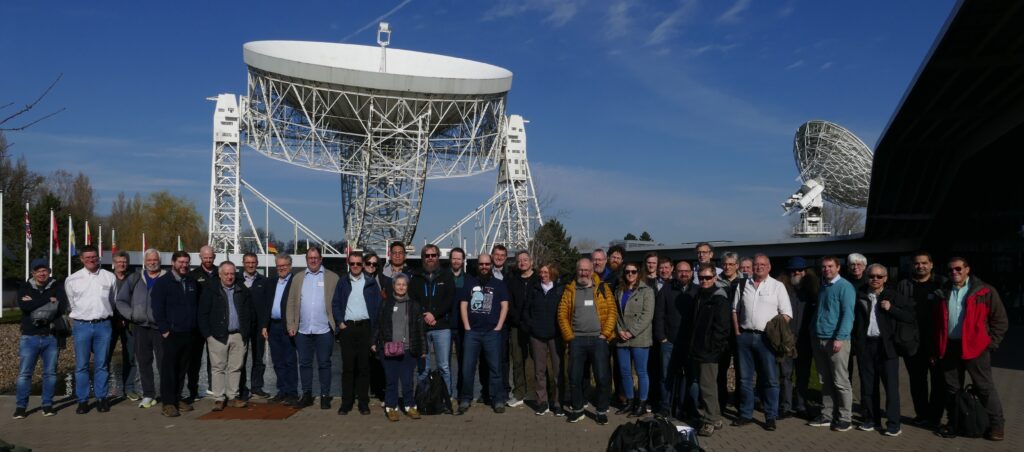
This week in Manchester, SURF participated in the 54th LHCOPN-LHCONE meeting, where global experts gathered to discuss the evolution of research networking. It was a special occasion as we celebrated 20 years since the first LHCOPN meeting, reflecting on how far we’ve come in enabling high-speed data transfer from CERN’s Large Hadron Collider (LHC) to researchers worldwide.
At the heart of it all, we organize IT infrastructure to make science happen—to help researchers probe the fundamental nature of the universe. Whether it’s LHC physicists searching for the building blocks of matter or SKA astronomers listening to the faintest signals from the early universe, both fields generate massive amounts of data that push the limits of computing and networking.
Sessions on LHC’s evolving network infrastructure highlighted valuable lessons as we discuss how to develop the SKA Observatory’s data systems. While the scale and patterns of data movement may differ, exploring synergies between NREN-based networks for LHC and SKA was particularly insightful.
Of course, no meeting is complete without spirited debates—this time on the broader challenges of expanding network capabilities for large-scale scientific projects. The conversation naturally raised questions of trust, Acceptable Use Policies (AUP), and the impact on existing communities. The balance between openness and security, integration and specialization, is a fine one. And as history has shown, discussions on centralized vs. federated models tend to resurface over time—sometimes wrapped in new proposals, sometimes in a familiar shade of red.
As always in these meetings, technical discussions mixed with broader questions of policy, trust, and governance—some unfolding over structured sessions, others in those classic last-minute deep dives when time was running short. Because in research networking, the big questions are never just about technology.
Grateful for the engaging discussions, the shared knowledge, and the beautiful opening trip down memory lane. Plenty to reflect on and even more to explore—let’s keep the momentum going!
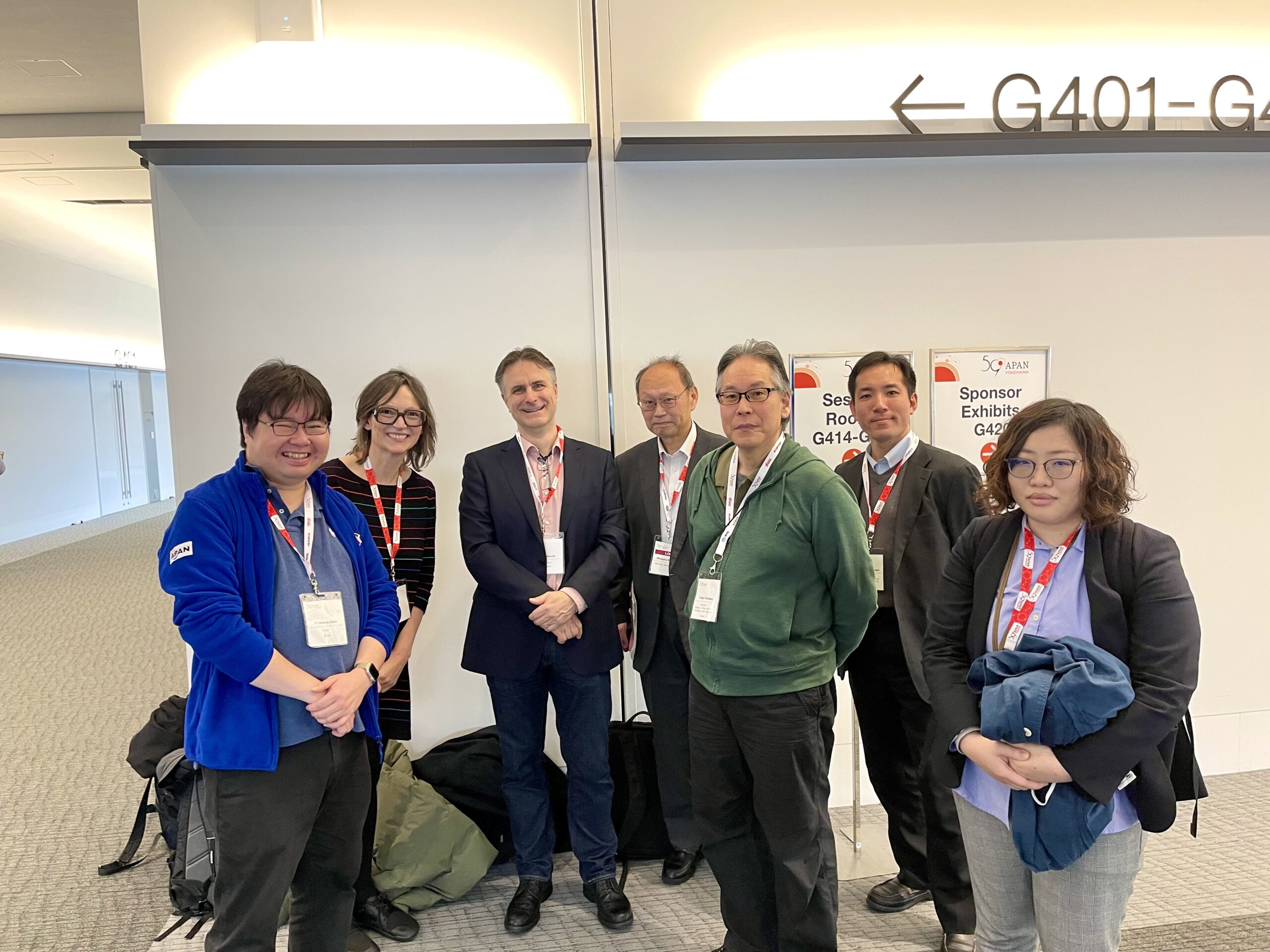
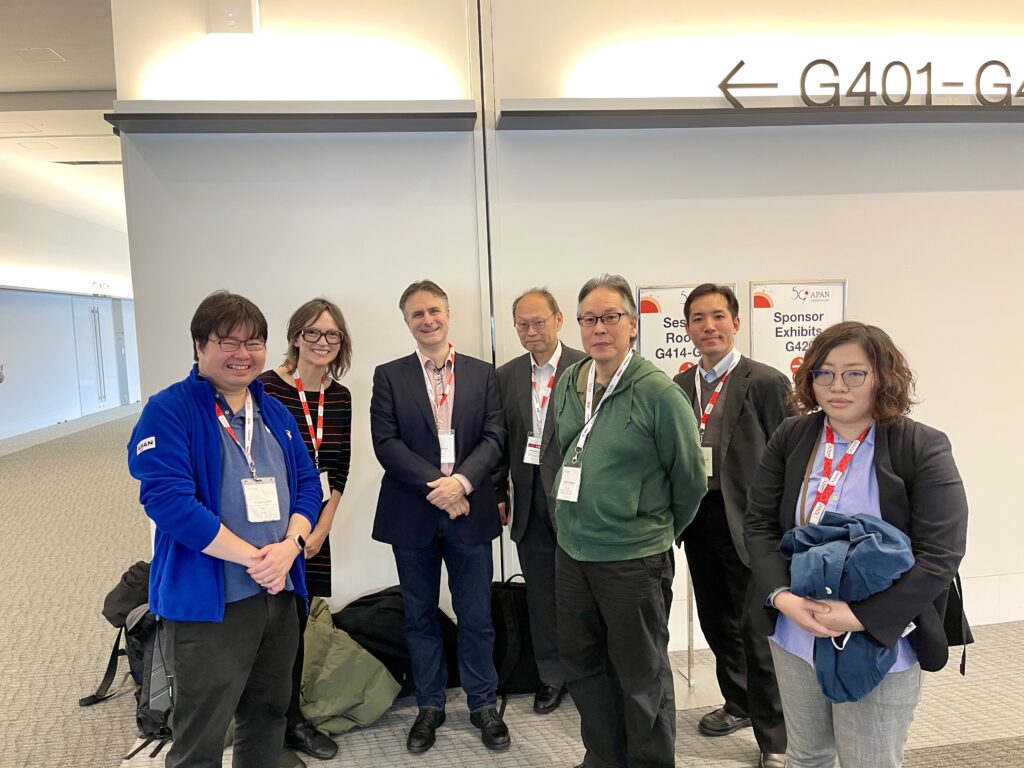
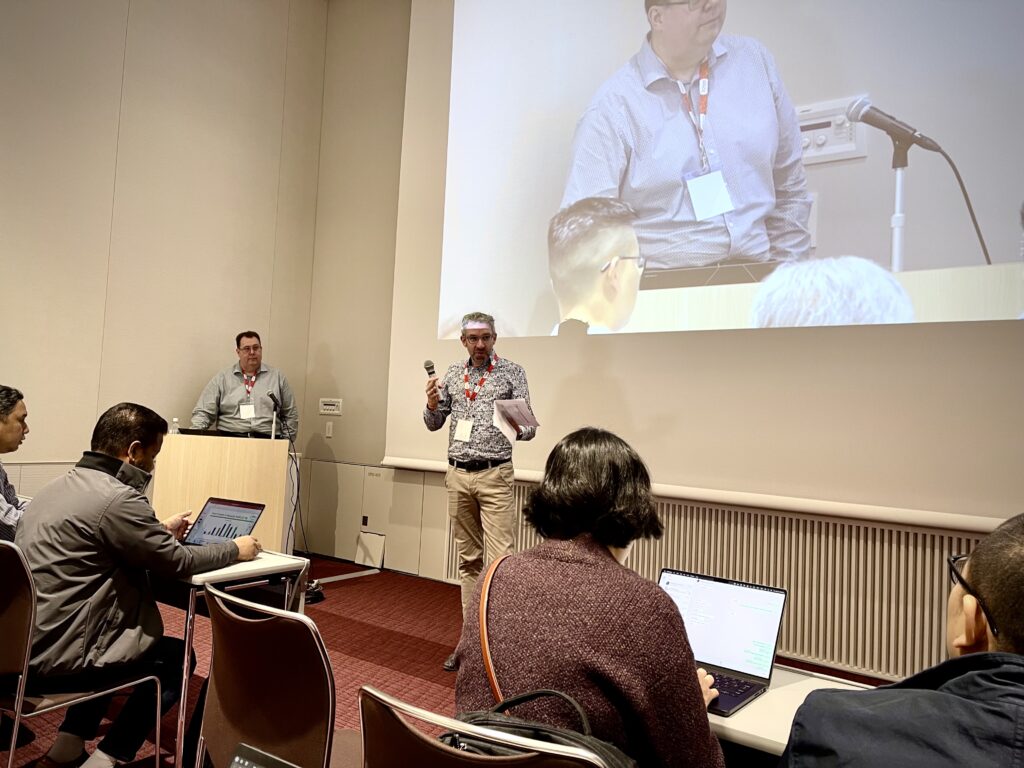
Back from #APAN59, and what a fantastic experience! Honored to represent SURF and #NetherLight, highlighting their impact in international research collaborations—especially between scientists in Japan and in the Netherlands.
It was great to reconnect with peers worldwide, make new connections, and gain fresh insights. Huge thanks to all the speakers and moderators for their excellent work, including my dear colleague Alexander van den Hil whose expertise also as a moderator I very much admire!
And of course, a big thank you to everyone who made this event so valuable, and to #APAN for an outstanding conference. Looking forward to what’s next!
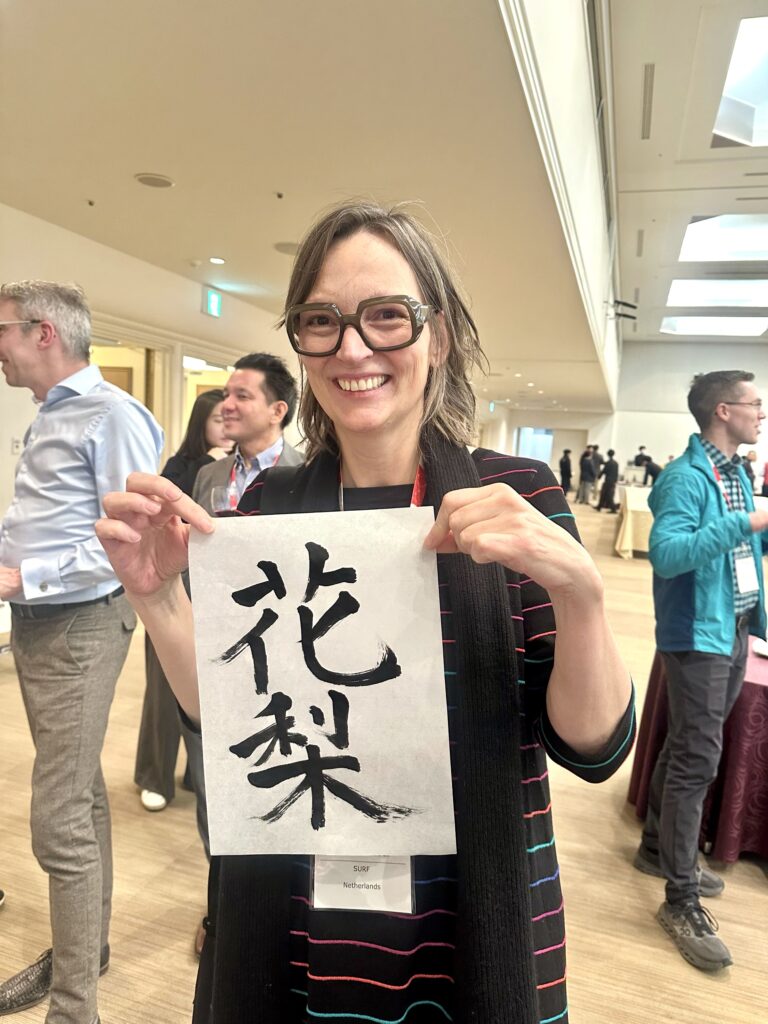
皆さん、本当にありがとうございました! (Minasan, hontō ni arigatō gozaimashita!) Thank you all very much!
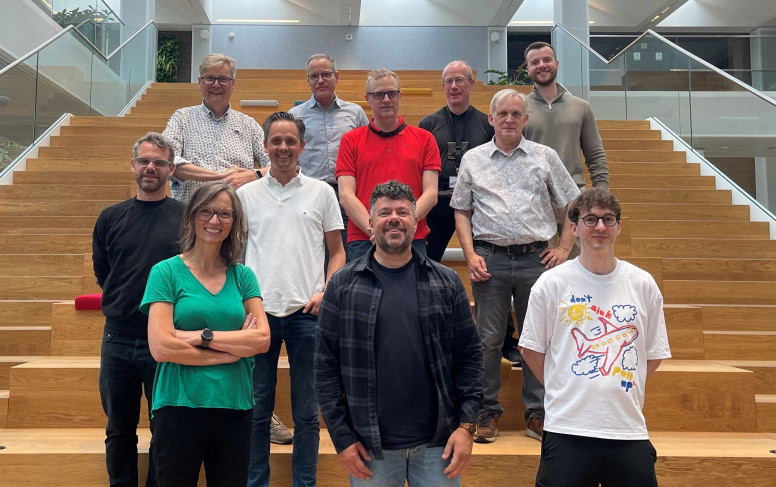
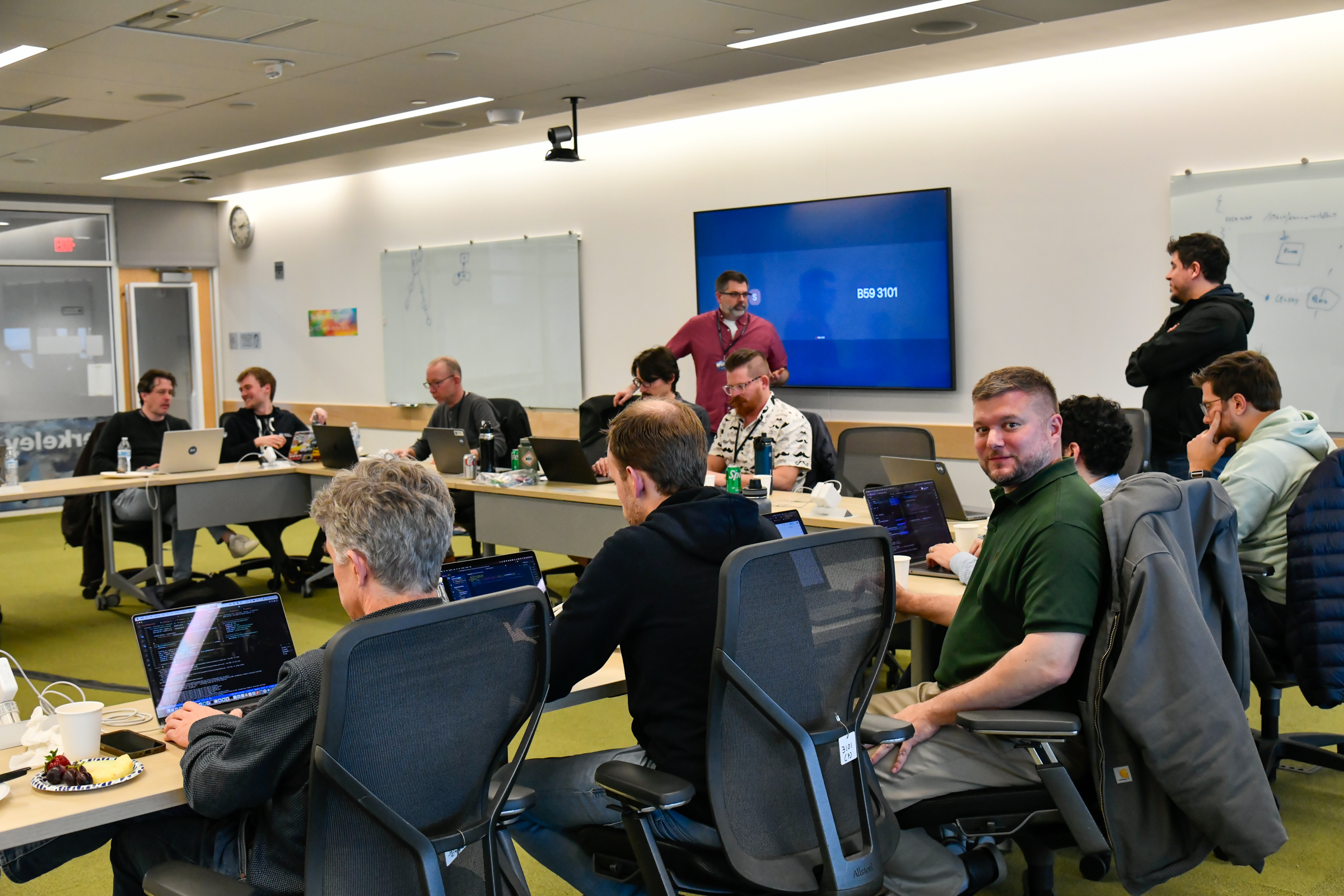
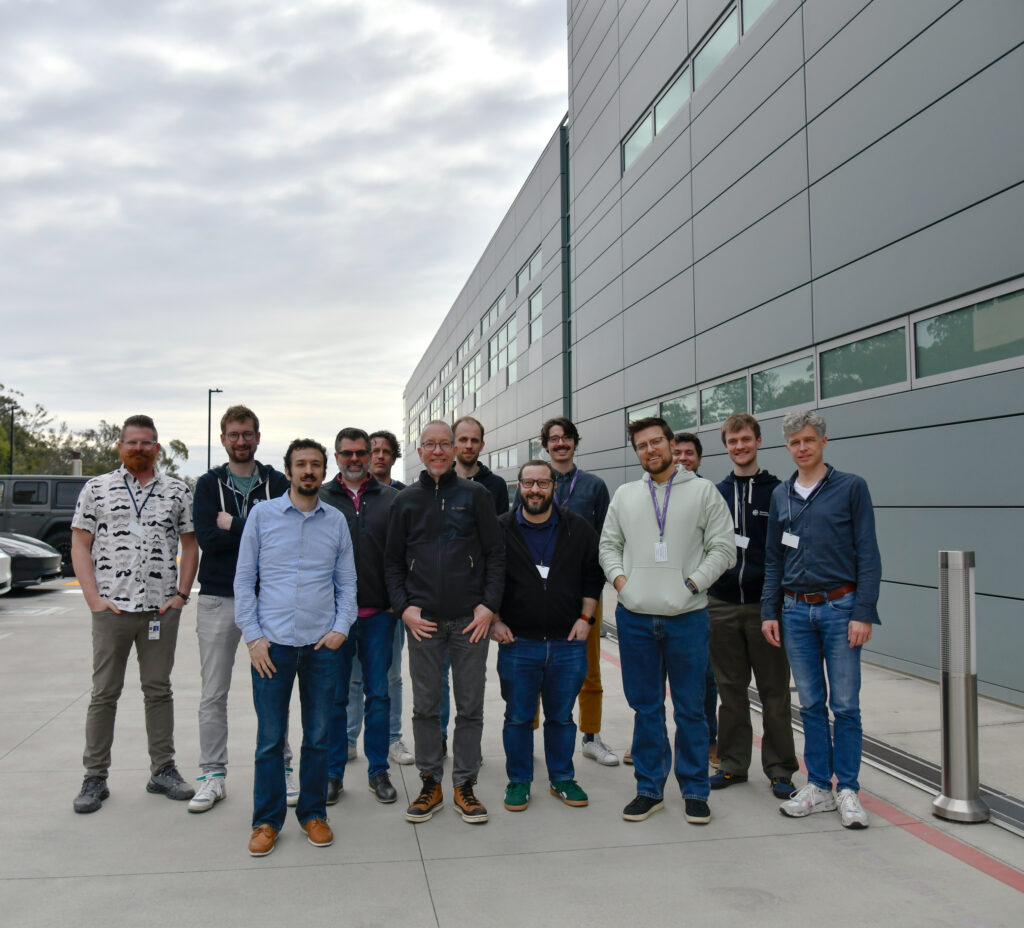
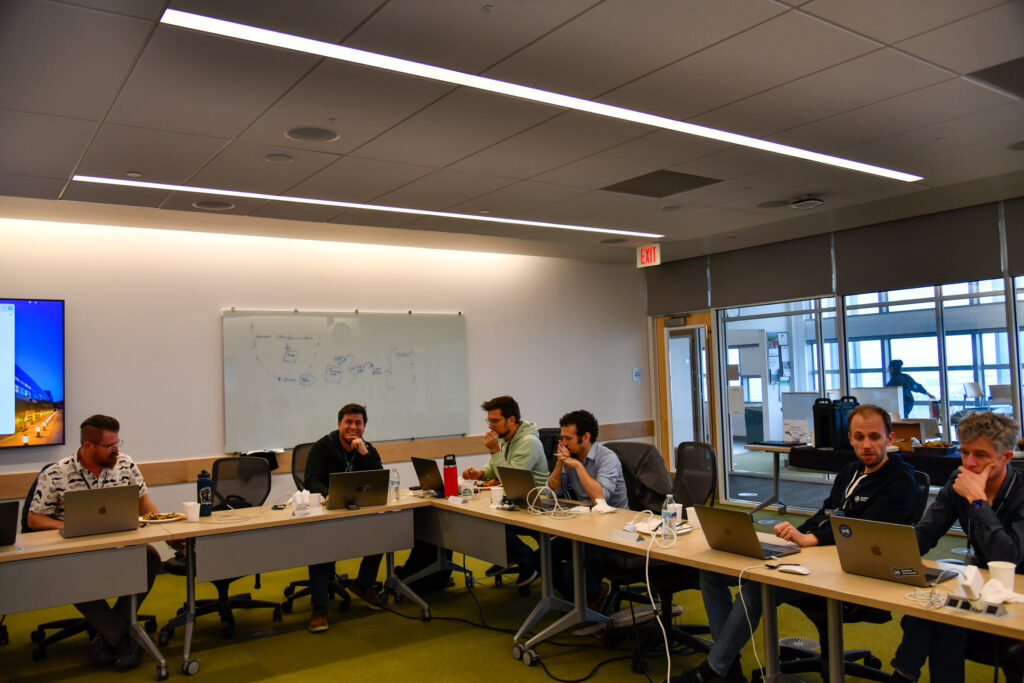
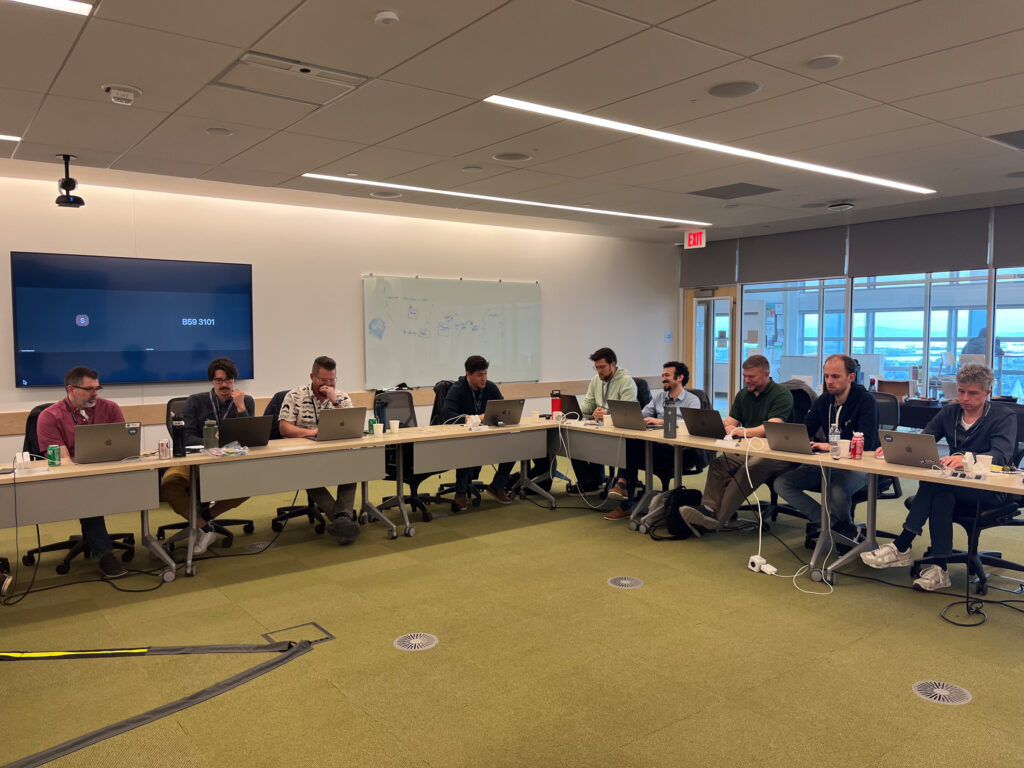
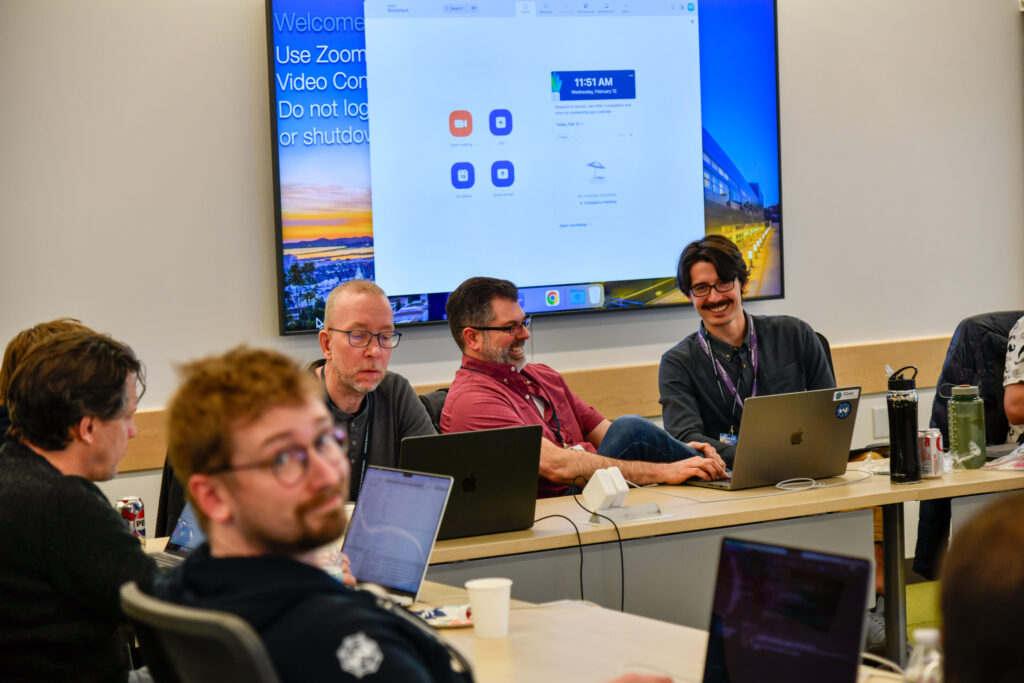
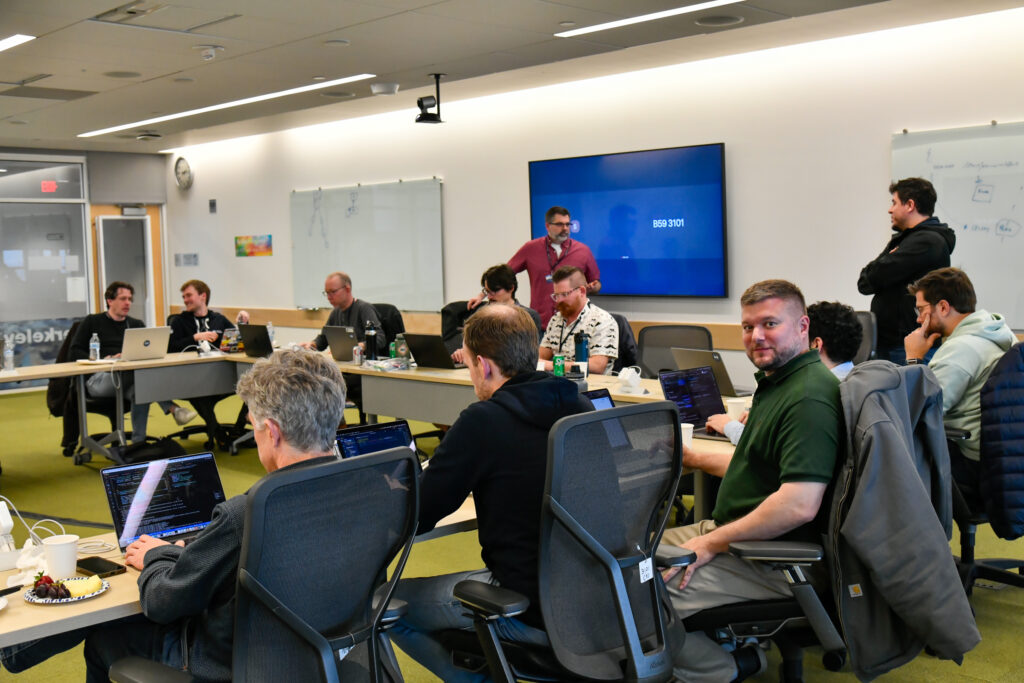
Last week SURFs network automation team spent a fruitful week in Berkeley (CA) together with colleagues from ESnet and Géant. As workflow orchestrator partner members, SURF, ESnet and Géant are committed to the workflow orchestrator software ecosystem and collaborate on creating a useful set of tools for parties who are interested in automating their network.
First codesprint
As users of the orchestrator software we share the need to continuously improve and add more features. The coming year SURF, ESnet and Geant plan to execute 12 sprints to work on the backlog of issues. This will be done by forming a (virtual) team of software engineers who will together work on issues that have been identified as important. The codesprint represents an important step in sharing knowledge and kickstarting this process.
Results
The codesprint results in a nutshell:
22 issues closed with a combined issue weight of 45
7 issues in progress with a total weight of 23
2 releases including one Major release candidate. version 2.10, version 3.0.0rc1
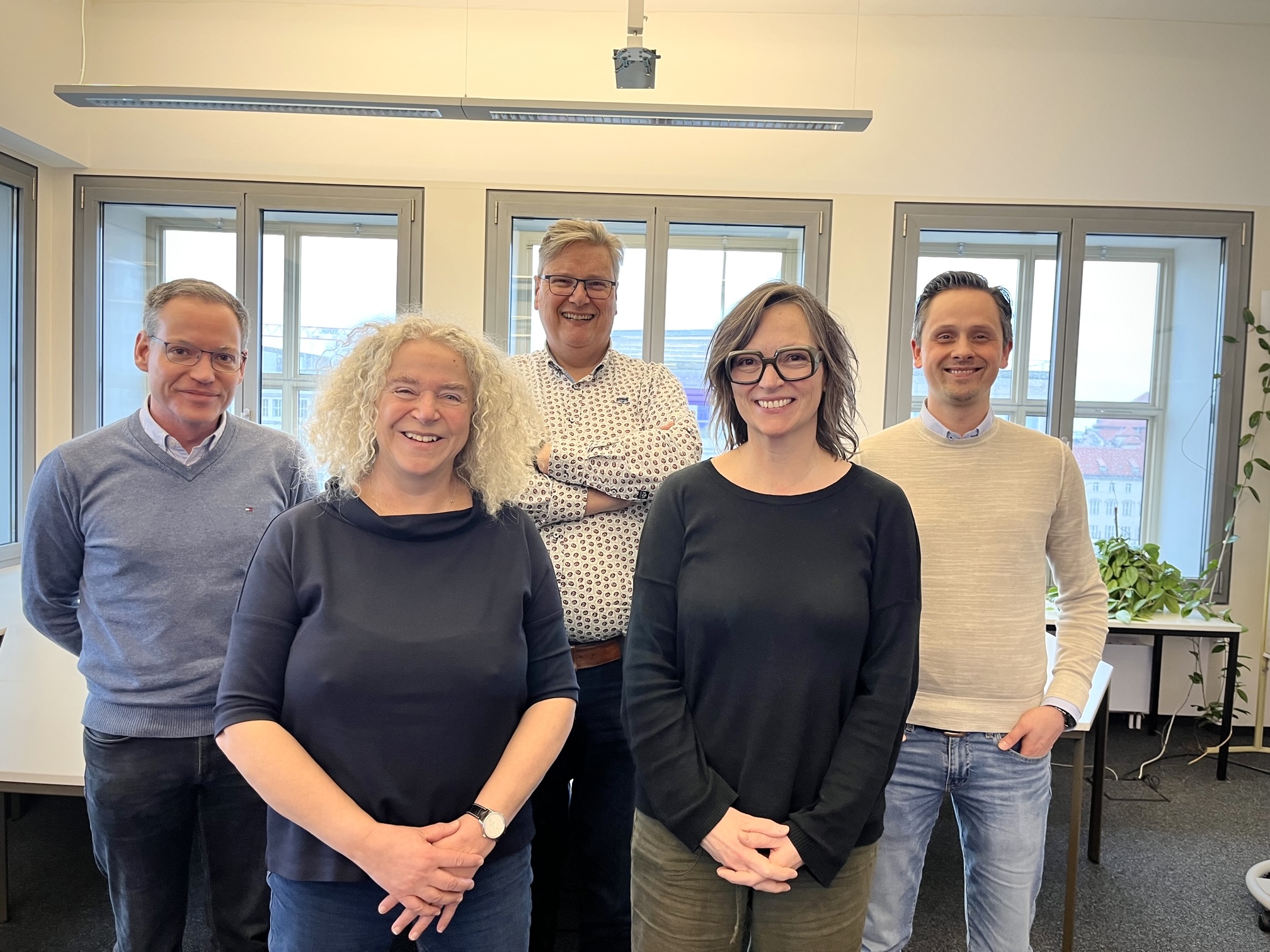
What an insightful day in Berlin! A big thank you to Stefan Piger and Leonie Schäfer from DFN-Verein for the engaging discussions and valuable learnings. It was a pleasure to exchange ideas and explore opportunities for collaboration together. Looking forward to continuing this conversation!
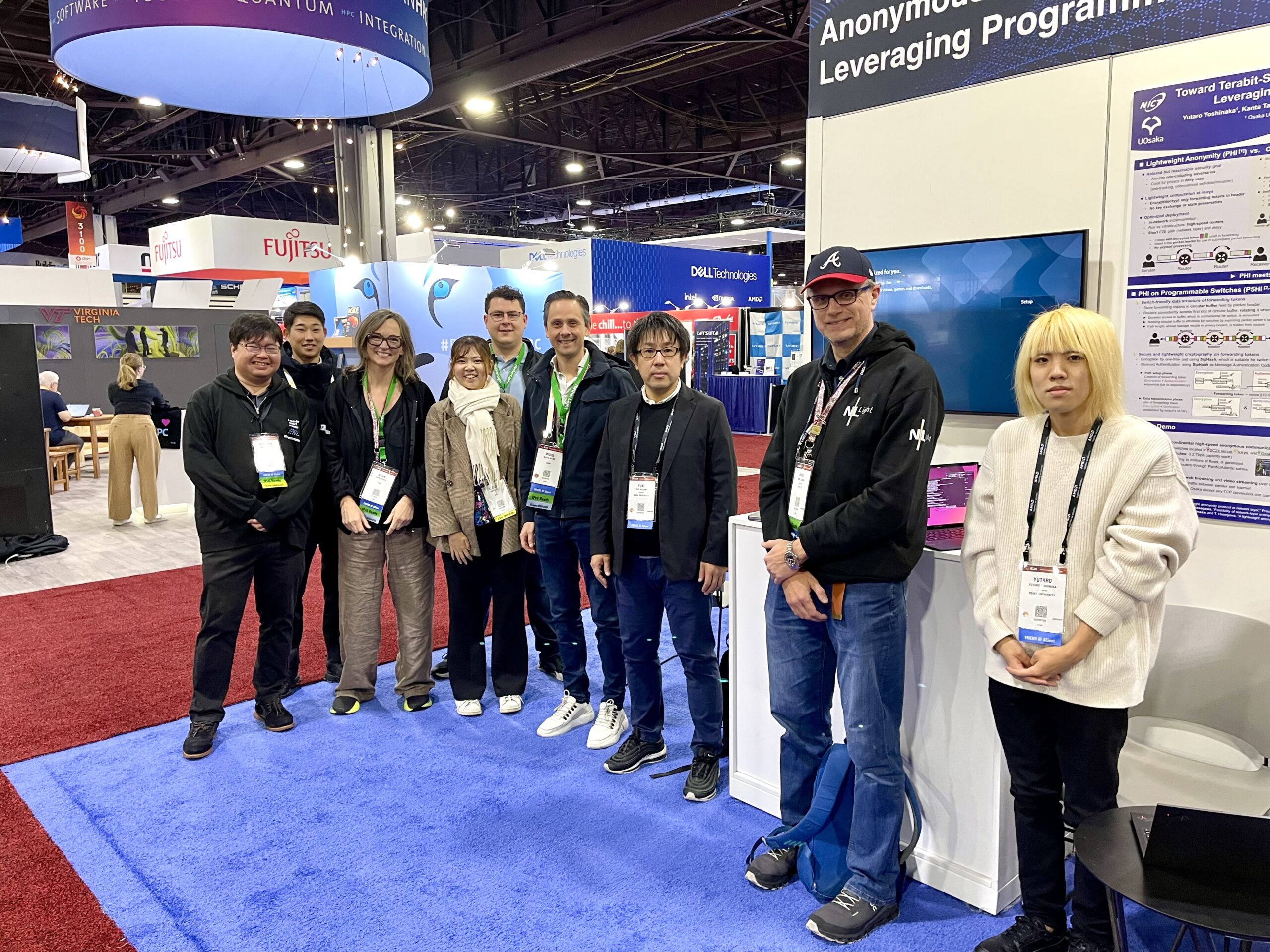
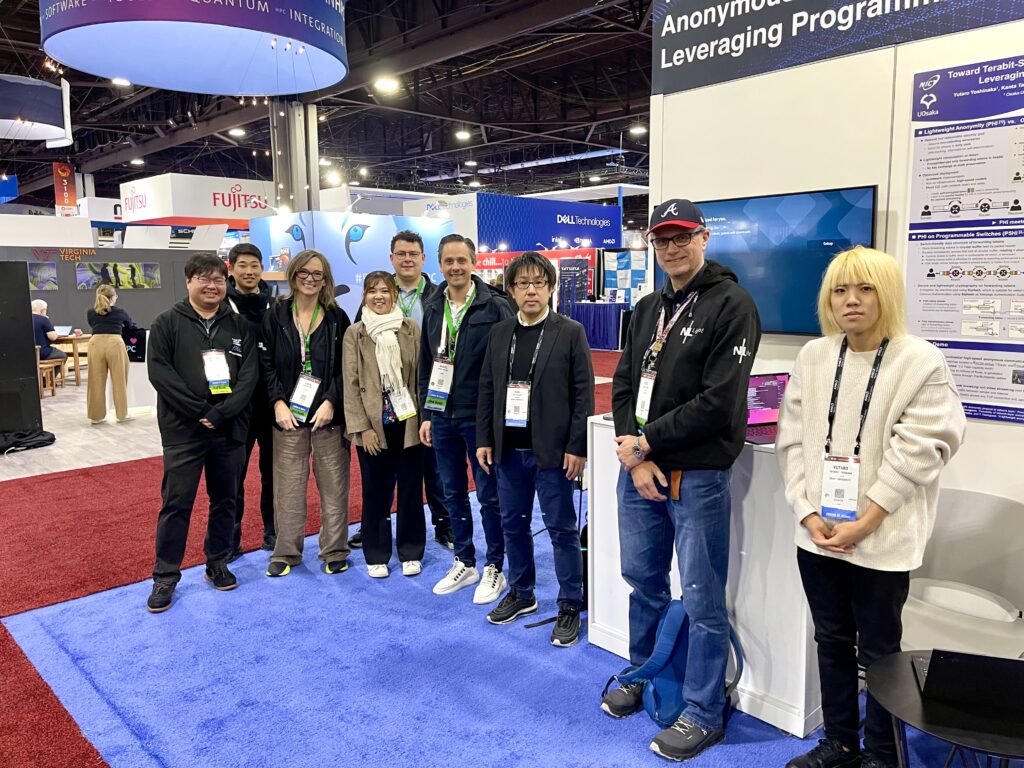
During the SuperComputing 2024 (SC24) event in Atlanta, the Japanese National Institute of Information and Communications Technology (NICT) led an ambitious experiment using a global-scale experimental network. This network, established through collaboration with 19 international partners, connected Tokyo and Atlanta with 10 high-speed 100 Gbps paths, achieving a total capacity of 800 Gbps. The project showcased groundbreaking demonstrations of high-speed data transfer, anonymous communication, and innovative data management.
One notable highlight was a data transfer experiment that reached 466 Gbps, and an award-winning anonymous communication demonstration by Osaka University achieved 588 Gbps while ensuring robust privacy.
NetherLight, the Global Exchange Point (GXP) run by SURF, played a critical role facilitating these complex experiments. Other key contributors included research and education networks and GXP’s from around the world, showcasing the collective effort required to achieve such innovation.
This NICT experiment at SC24 emphasizes the importance of international collaboration and partnerships in global research and education networks. By working together in experiments like these, we can collectively show and assess the potential for transformative technologies in data handling and communication, essential for future scientific progress.
For more details, pictures and graphics, and information about the contributing parties in this experiment, please read the full NICT press release here.